
A single severe storm is all it takes to damage your roof. And you know what part is really scary? Most damage remains concealed until you start seeing leaks or mold.
Small roof problems can become big, expensive repairs, just like a small cut can get worse if you ignore it. Here’s how to find roof storm damage early and keep your home safe.
Why Storm Damage Can’t Be Ignored
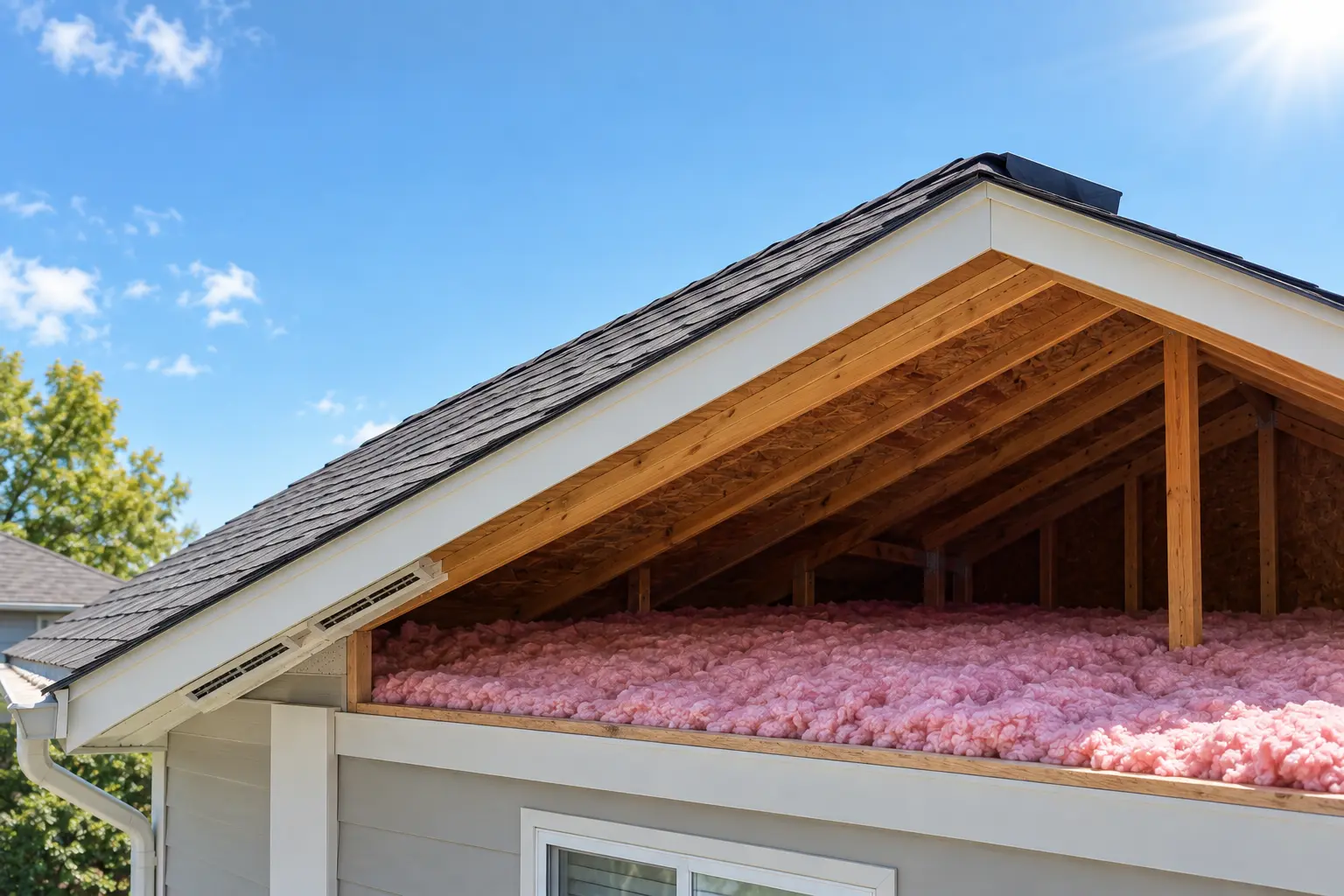
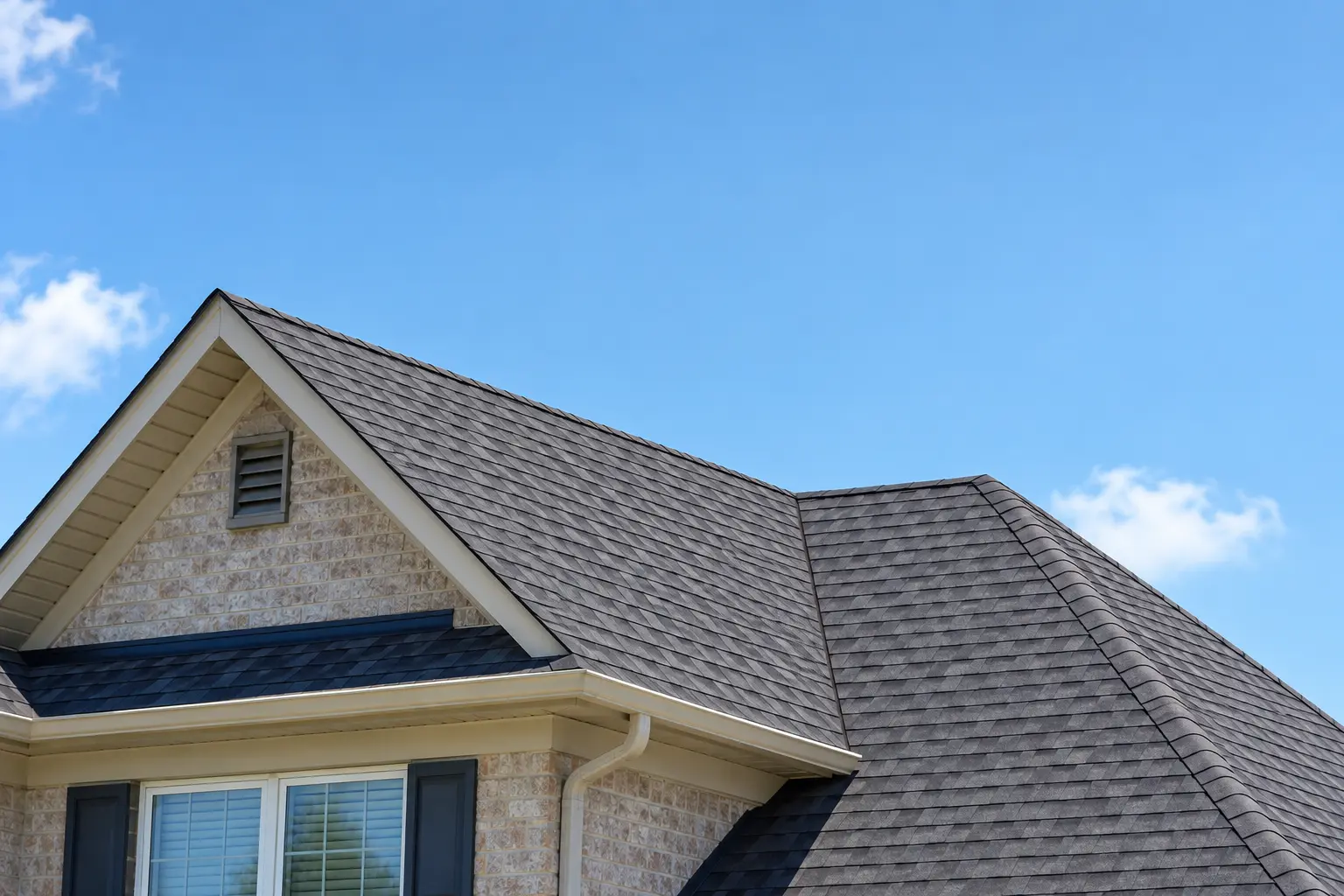
Regardless of the time of year or the climatic conditions in your area, your roof is subjected to a multitude of forces that can threaten its integrity.
The two most obvious agents of potential roof damage are high winds and heavy rain.
However, even in the absence of those two common storm elements, you can bet that forces are at work to try to weaken your roof system.
Here’s how you can counteract those forces and how to find trouble spots that might signal a need for repairs or even roof replacement.
If your roof sustains storm damage, this is what you have to do immediately.
- Call a roofing contractor to assess the damage.
- If necessary, put a tarp on it.
- If you’ve got an insurance policy, now is the time to call your agent.
Also Read: Roof Storm Damage and Insurance: A Simple Claim Guide
Common Signs of Roof Storm Damage
Knowing what to look for can save you from major headaches down the road. Some signs of roof storm damage are obvious, but others hide in plain sight.
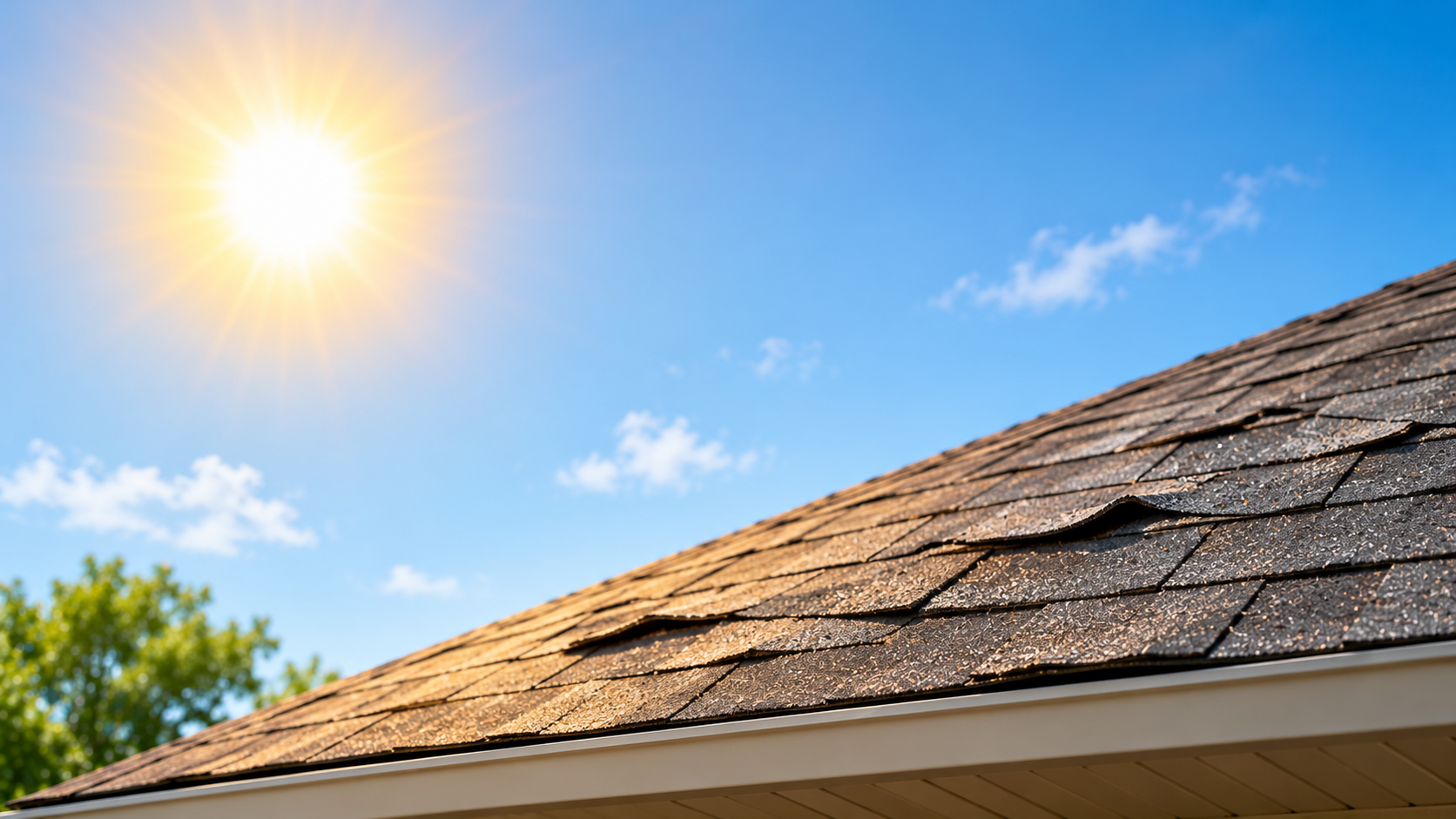
Start with the clear signs. Roofs that took a hit often have missing or cracked shingles. Look for shingle granules scattered around the yard; they look like coarse sand or small pebbles.
Inside your home, watch for these warning signs:
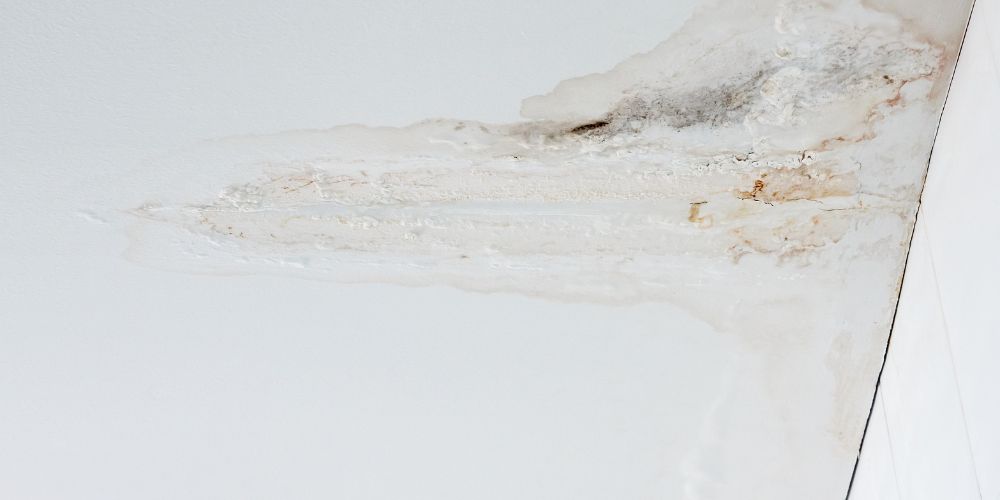
• Water stains on ceilings or walls.
• A musty smell that wasn’t there before.
• Paint that’s peeling or bubbling near the roofline.
Remember to check your gutters. If they’re dented, cracked, or filled with pieces of roofing material, your roof probably suffered storm damage.
Going even a little overboard with this admonition would probably be good, because a tiny roof leak can become a huge problem if you ignore it.
How Wind and Hail Affect Your Roof
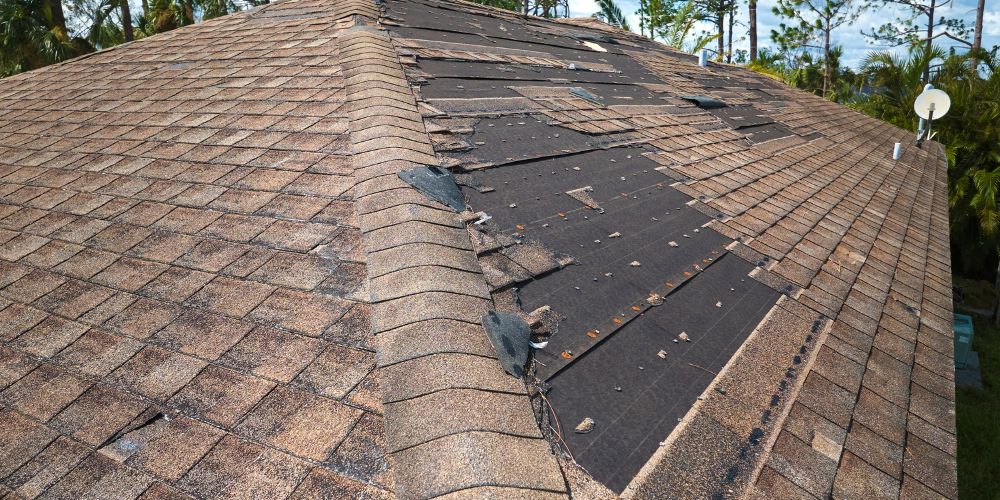
Wind and hail impact your roof in different ways, but both can cause serious damage. Knowing how they work helps you recognize the signs of a storm-damaged roof before it deteriorates into a leaking roof.
This can loosen them or rip them off completely, leaving bare spots where water can get in. Even if shingles stay put, wind can crack them or bend the edges up, creating weak points.
Hail is like nature throwing rocks at your roof:
• Tiny hailstones wear down a roof’s shingles, making it look worn and old.
• Bigger hailstones can crack shingles or even punch holes through them.
• From the ground, the damage might not look that bad, but it’s a different story up close.
Both types of roof storm damage allow water to enter your roof, which can lead to much bigger problems later on.
Inspecting Your Roof After a Storm
Your roof just endured a storm. But is it all right?
There is only one way to find out: check it directly after the storm.
Don’t put it off, because any damage will only worsen with time. Begin your inspection from ground level, using binoculars to locate any damaged areas, such as broken or missing shingles, dented gutters, or excessive debris.
As for anything that seems out of place or plain wrong compared to before the storm shook your house.
Examine the roof for missing, cracked, or wind-upward curling shingles.
Also, observe whether there are any tiny rocks from the shingles in the gutters, indicating that there is damage above.
And look for dents or holes around the chimney and vents, along with any roof parts that appear to be sagging.
“Never climb up on your roof right after a storm because it’s not safe, and you could make things worse. If you suspect roof storm damage, contact a professional to inspect the area more closely.” GAF
What to Do If You Discover a Leak or Damage
Found a leak or damage? Don’t panic, but don’t wait either. Quick action can save you from bigger problems and costlier roof damage repair down the road.
First, protect what’s inside your home. Move furniture and valuables away from the leak. Put buckets or tarps down to catch dripping water.
If water is pooling on your roof, carefully make a small hole in the ceiling to let it drain out – this prevents the ceiling from collapsing.
Next, document everything:
• Take photos of the damage from different angles.
• Write down when you first noticed the problem.
• Keep track of any water damage you see.
Call a professional for roof leak repair as soon as possible.
Don’t try to climb on your roof yourself, especially when it’s wet or damaged. A qualified contractor can handle roof repairs after damage safely and correctly.
Wrapping Up…
Don’t allow concealed storm harm to cost you a lot of money further down the line.
Stephens Roofing & Remodeling is your local San Antonio team you can trust for roof checks, fixes, and new roofs. We show up fast, help with your insurance, and do work that lasts.
Get an inspection today and keep your home safe!