Can Extreme Heat Damage Your Roof? Signs Texas Homeowners Should Watch for
The question is: Can extreme heat damage your roof? The answer is: Yes. Prolonged heat, UV exposure, and temperature fluctuations can gradually damage a roof. Roof heat damage may occur more quickly if you live in a place with higher temperatures and more sunny days than average, like Texas. Texas roofs face intense sunlight, high temperatures, hot attics, and recurring storms. Age, preexisting damage, poor installation, inadequate ventilation, and neglected maintenance can also accelerate deterioration.
You can prevent roof damage from becoming irreversible by watching for warning signs. Signs of heat damage on a roof include:
- Cracked, brittle shingles
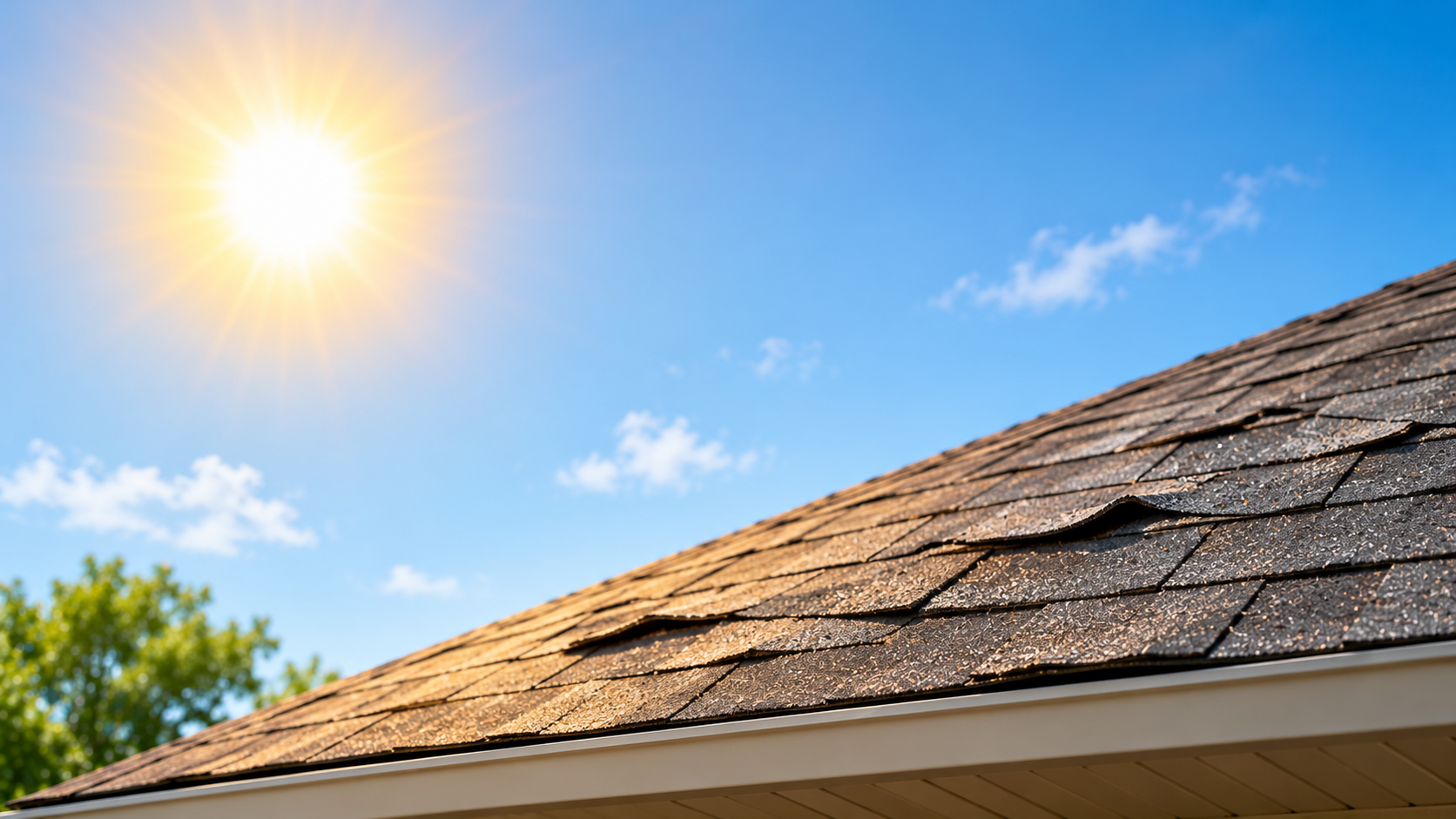
- Curling or buckling shingles
- Excessive granule loss
- Blistering and shrinking of roofing materials
- Fading and discoloration
- Hot attic
- High energy bills
These signs mean it’s time to schedule a professional inspection. Call Stephens Roofing to get on our books for a roof inspection after summer. Summer’s extreme heat makes it dangerous to walk on a roof for a thorough inspection.
How Does Extreme Heat Affect a Roof?
So, how does heat affect a roof? As we already said, extreme heat can cause your materials to reach the end of their lifespan sooner than intended. This can happen because of UV exposure, warping (expansion and contraction), thermal stress, and poor attic ventilation.
UV Exposure Gradually Deteriorates Roofing Materials
While we love sunny days, overexposure to UV rays can cause extreme heat roof damage, especially in older materials. UV degrades shingle granules, exposing asphalt and leading to brittleness and deterioration.
Roofing Components Expand and Contract
Shingles are dark and absorb heat, causing the binder to soften and re-harden each day. This daily cycle stresses shingles, panels, seams, fasteners, flashing, sealants, and membranes. Age, existing damage, and installation issues also increase the risk of asphalt shingle heat damage.
Excessive Attic Heat Can Increase Stress on the Roof System
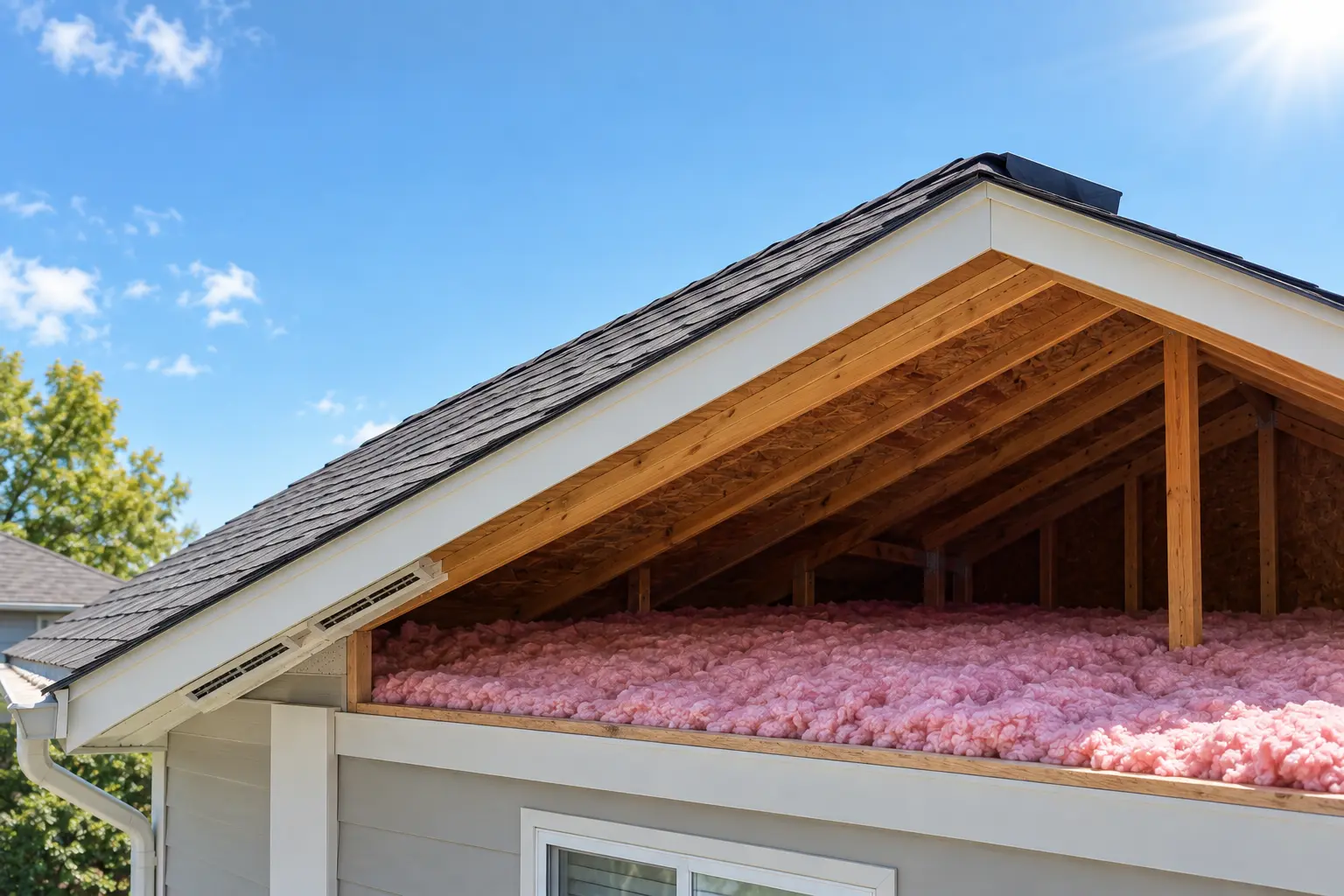
A hot attic doesn’t always mean roof damage, but it can signal issues. Poor design and ventilation trap heat, straining the cooling system and causing moisture buildup. Over time, this can warp wood, reduce insulation, and lead to structural weakness, mold, and mildew, resulting in overall hot attic roof damage.
Can Heat Damage Roof Shingles?
Can heat damage roof shingles? Yes, prolonged heat and UV exposure can accelerate the deterioration of asphalt shingles. Shingle performance depends on quality, age, installation, ventilation, roof orientation, maintenance, and storm damage. Signs of roof damage from the sun include brittleness, curling, cracking, blistering, and granule loss. However, heat might not be the only cause; a hot attic can cause similar issues.
8 Signs of Heat Damage on a Roof
By now, you’re probably wondering, “How do I check if I have heat damage to the roof?” Start with our homeowner-friendly checklist, which you can use from the ground or from accessible indoor areas to determine whether your roof is damaged. We do NOT recommend walking on your roof to inspect it.
1. Curling or Cracked Shingles
Take a look at your shingles. Do they have curled edges and cracks, or are they brittle to the touch? That’s often the first sign of heat damage. But before jumping to conclusions, remember that age, ventilation, and installation issues can also cause similar symptoms.
2. Blistered Shingle Surfaces
Blistered shingles occur when heat softens the asphalt, causing trapped moisture to vaporize and form raised spots. Blisters may also form if the shingles were improperly manufactured or if your attic has poor ventilation. Do NOT puncture the blisters. Doing so could cause further deterioration.
3. Excessive Granule Loss
Granules extend your roof’s life by shielding asphalt from UV rays and weather damage, and by preventing drying and cracking. Some loss during storms is normal, but excessive loss exposes asphalt, causing curling, cracking, and damage from water and sun.
4. Fading or Uneven Discoloration
Fading or discoloration is a common sign of sun damage, especially in asphalt shingles, which may darken with age. Discoloration may be purely cosmetic, affecting appearance rather than structural integrity. However, it could also signal more serious issues caused by algae, dirt, aging, or product variation.
5. Cracked Flashing or Deteriorated Sealants
Check whether flashings or sealants around vents, chimneys, pipes, and roof-to-wall intersections are cracked or deteriorated. This damage typically occurs when they dry out after prolonged heat exposure.
6. Loose Metal Panels, Seams, or Fasteners
Similarly, identify raised fasteners, loose panels, separated seams, coating damage, and gaps. These conditions often result from abnormal movement linked to temperature fluctuations or other issues, such as improper installation and environmental factors.
7. Cracked or Displaced Roof Tiles
Damaged clay or concrete tiles that expose underlying materials can cause water infiltration, leaks, and mold. Heat, impact, weather, or improper installation can crack or shift roof tiles.
8. Water Stains or Unusual Indoor Heat
Watch for unusually hot rooms, water stains, odors, moisture, and deteriorating decking. These could all be signs of roof damage. Keep in mind that insulation, HVAC, and ventilation issues can cause similar signs.
To accurately determine the cause of your roof-related issues, schedule a free roof inspection with Stephens Roofing.
Can Heat Cause Roof Leaks?
Can heat cause roof leaks? It can contribute, as prolonged UV and thermal cycling weaken materials, seals, and flashings, creating cracks and gaps. Through these cracks and gaps, water seeps in, deteriorates the underlayment, and can stain ceilings, sometimes far from the entry point. Address water leaks promptly to prevent interior damage.
To distinguish gradual heat deterioration from sudden wind, hail, or impact damage, watch the damage pattern, granule loss, and fracture type.
- Gradual heat: Appears uniform across sunlit areas; widespread granule loss; and vertical or diagonal cracks and splits.
- Wind damage: Appears concentrated in one area; striped granule loss; and horizontal stress creases or tears.
- Hail damage: Appears randomly scattered, facing into the storm; localized granule loss; and circular bruises.
- Impact damage: Appears highly localized at the point of impact; cleanly stripped granule loss at the point of contact; and shattered or crushed substrate.
Which Roofing Materials Perform Best in Texas Heat?
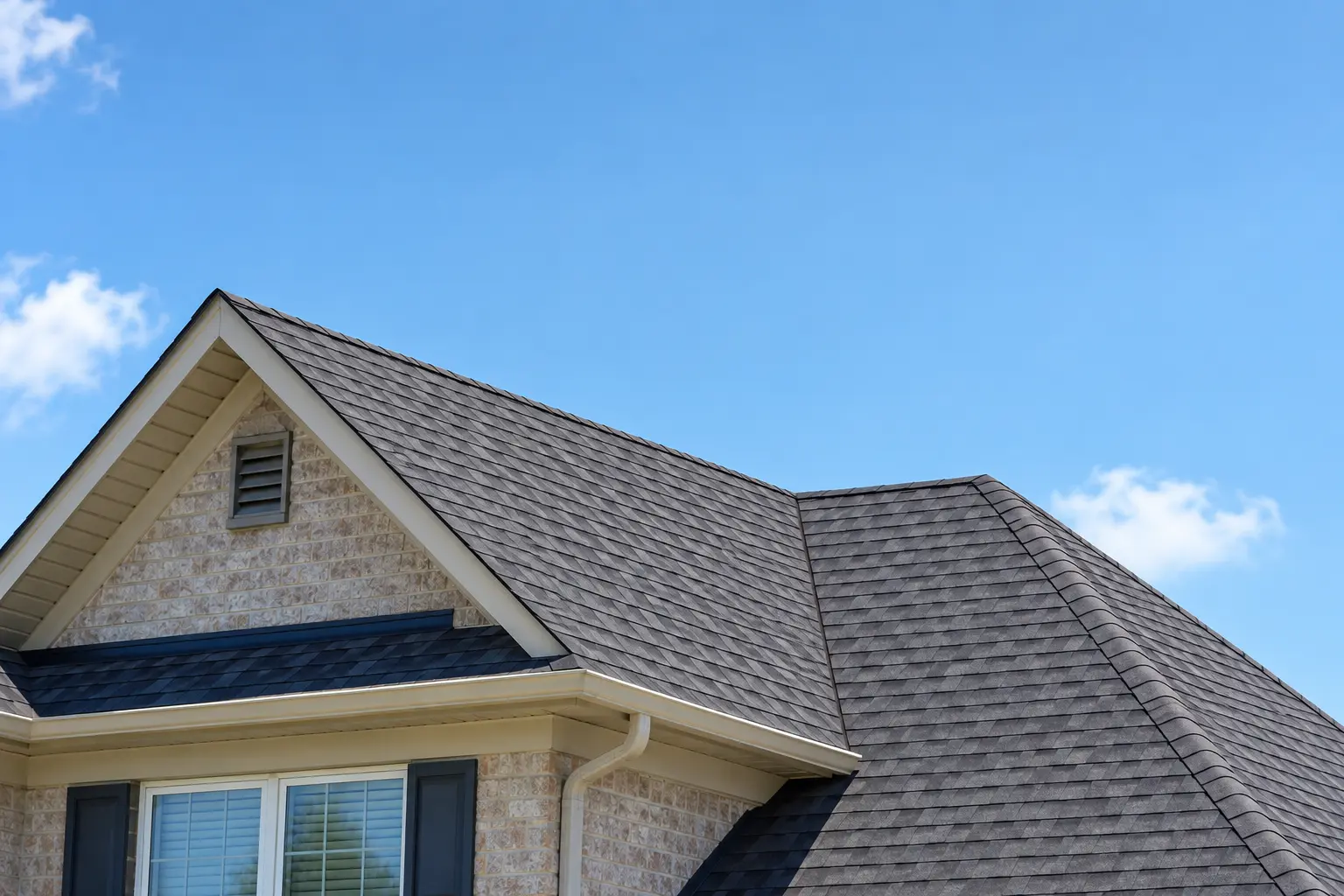
The right roofing material matters for two reasons: safety and long-term cost savings. Dark roofs absorb 70–90% of sunlight, reaching temperatures of up to 180 degrees on a particularly hot day. White, light gray, and beige roofs, however, reflect more sunlight and therefore won’t be nearly as hot. As a result, choosing light-colored roofing materials can lower energy bills.
While the right color helps prevent Texas heat roof damage, quality installation, insulation, and the complete roofing system matter as much as the exposed material. Explore the available roofing materials below.
| Roofing Material | Potential Benefits in Hot Climates | Heat-Related Considerations |
| Asphalt shingles | Light shingles reflect UV rays; UV-resistant granules; energy-efficient; and cost-effective | Short lifespans; expanding and contracting; granule loss; and shrinking and blistering |
| Metal | Thermal resistance; reflectivity; weather resistant; and fire safe | Susceptible to hail damage; higher up-front costs; and expanding and contracting |
| Clay tile | Energy efficient; highly reflective; natural insulation; and long lifespan | Heavy; higher costs; fragile; and freeze-thaw vulnerability |
| Concrete tile | Reflective; energy efficient; long lifespan; and highly durable | Heavy; color fading; expanding and contracting; and high up front costs |
| Slate | Highly reflective; fire safe; and provides HVAC relief; | Heavy; higher costs; vulnerable to thermal shock; and fragile |
| TPO | Highly reflective; energy efficient; durable; and UV/chemical resistant | Accelerated seam degradation; vulnerable to thermal shock; and membrane shrinkage |
How to Protect Your Roof From Extreme Heat
Learning how to protect your roof from heat is important to ensure its longevity and protect your investment. The best ways to protect your roof from extreme heat are:
- Choosing heat-resistant materials
- Ensuring proper ventilation
- Applying a reflective top coat
- Scheduling regular roof inspections
- Trimming surrounding foliage
- Insulating your attic
- Cleaning your roof regularly
Summer Roof Maintenance Checklist for Texas Homeowners
During intense summer weather, it’s easy to forget about your roof. Summer roof maintenance doesn’t have to be intensive. Follow our guides for ground and indoor maintenance to keep it simple yet effective. Remember: do NOT climb or walk on your roof—leave that to professionals.
From the Ground: Check for damaged shingles, loose panels, displaced tiles, flashing gaps, debris, and new stains. Also inspect gutters and downspouts for debris, mold growth, roof-edge rot, water overflow, foundation damage, and fascia-board deterioration.
From Inside the Home: Inspect for attic moisture, stains, odors, visible daylight, shifted insulation, blocked vents, or unusually hot rooms. Also check the underside of your roof in the attic for mold and mildew, and for ventilation or insulation issues.
While checking your roof as best you can helps, nothing beats a professional inspection. Schedule a post-summer inspection if you notice widespread deterioration, water stains, unstable materials, recent storm exposure, or an aging roof with recurring problems.
Should You Schedule a Roof Inspection After Summer?
As summer winds down, consider scheduling a post-summer inspection. For older roofs or those showing damage from heat, storms, or wear, this helps assess materials, flashing, seals, ventilation, moisture, decking, and vulnerable parts. A roof inspection after summer also identifies heat-related, wind, hail, or moisture damage, ensuring your roof is ready for seasonal change.
Does Heat Damage Require Roof Repair or Replacement?
It can be difficult to tell at a glance whether sun damage to the roof can be repaired or needs replacement. Often, the right solution depends on where the damage is located and how extensive it is, along with the decking condition, material availability, repair history, and remaining service life.
A simple roof repair can fix isolated damage if surrounding materials are usable and the cause is corrected. However, widespread deterioration, failing components, persistent leaks, or an aging roof may require a full roof replacement for a long-term solution.
Schedule a Roof Inspection With Stephens Roofing
A roof inspection is essential. When scheduling one, call Stephens Roofing. With over 40 years of experience, an A+ BBB rating, and a work guarantee, it’s a top choice in San Antonio roofing. We excel in asphalt, metal, tile, slate, and flat roofing, providing the best materials for Texas heat.
Stephens Roofing provides Texas homeowners with inspections, repairs, and replacements. We ensure homeowners understand the differences between heat, sun, storm, and age-related issues, which can produce similar warning signs.
Concerned that the Texas heat has affected your roof? Schedule a free roof inspection and estimate with Stephens Roofing.